This post may contain affiliate links. If you make a purchase through links on our site, we may earn a commission.
Remote Data Entry Work in 2025

Alright, let’s be real for a second — data entry is one of the most requested “work at home” questions I get.
If you’re like most moms I know, you’ve probably Googled “work from home jobs” more times than you’d like to admit. Between managing the house, kids’ schedules, and trying to cover everything from groceries to that random school field trip fee, it can feel like you need a second income — without actually leaving home.
That’s where remote data entry work in 2025 comes in. And no, you don’t need a fancy degree, tech skills, or a “boss babe” vibe to make it happen. Regular people — moms, retirees, students — are doing data entry jobs from home and bringing in real, usable cash.
So, let’s break it down, mom-to-mom: what remote data entry work is, how it actually works today, and how you can get started without falling for scams or wasting your time.
What Is Remote Data Entry Work, Anyway?
In the simplest terms, data entry is taking information and typing it into a system. That’s it.
It might sound basic, but businesses need people to handle all kinds of data — think customer info, product details, survey results, invoices, or even updating online catalogs.
Here are a few examples of what you might be doing:
- Entering handwritten notes or scanned documents into a spreadsheet.
- Updating a company’s online product listings.
- Transcribing meeting notes or short audio files.
- Cleaning up data by checking for errors or duplicates.
It’s not flashy or wildly exciting, but here’s the kicker: it’s steady work, it pays, and you can do it in your yoga pants with a messy bun and a coffee in hand.
2026 Cash iDEAS FOR YOU!
- Paid View Point: Short, fun surveys that allow you to earn!
- KashKick: Earn Money. Save Money. Amazing App!
- Become a Transcriptionist: FREE workshop, no obligation!
- ACOP: Product Testers needed, USA, Canada, UK, Germany & France,
How Much Can You Make?
Let’s keep it honest.
Most entry-level data entry jobs pay between $12–$20 per hour depending on the company and your speed. More specialized work (like medical data entry or bookkeeping-related tasks) can pay more — sometimes $25–$30/hour.
One mom I know picks up 10–15 hours a week doing data entry on the side. She pulls in about $600 a month, which covers her groceries and kids’ activities. Another friend works 25–30 hours a week and treats it like her part-time job, bringing in over $1,000 a month.
It’s not get-rich-quick money, but it’s reliable, flexible income — and that’s worth a lot.
What Skills Do You Need?
Here’s the good news: you do not need a tech degree, coding background, or even advanced Excel skills to start.
What you do need:
- Decent typing speed (aim for at least 40–50 words per minute).
- Attention to detail — accuracy matters.
- Basic computer knowledge (like using spreadsheets, online forms, or company software).
- Time management — especially if you’re juggling work between school pickups and dinner.
If you’re rusty, no worries. There are free typing test sites online to help you practice, and YouTube is packed with short tutorials on Excel or Google Sheets.
Where Are People Finding Remote Data Entry Jobs in 2025?
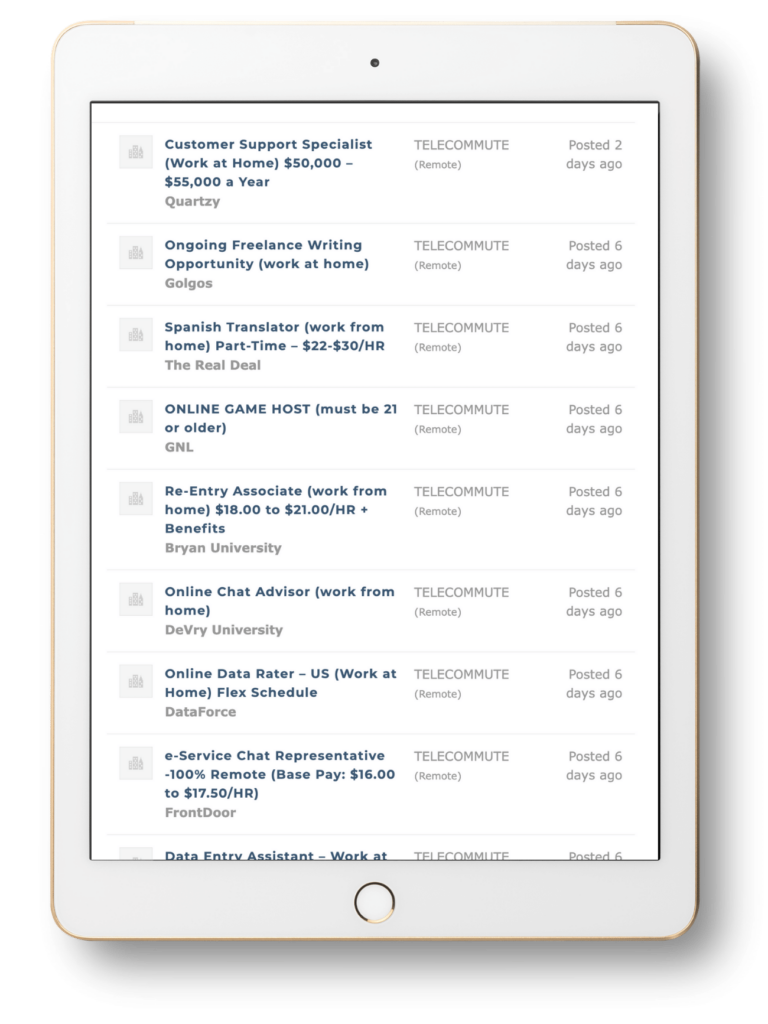
This year, the demand for flexible, remote workers is still going strong — especially with small businesses, ecommerce shops, and healthcare providers.
Here are some legit places moms I know are landing data entry gigs:
- Upwork and Fiverr: Freelance platforms where you can pick up one-off or ongoing data entry projects.
- Clickworker and Amazon MTurk: Microtask platforms for smaller jobs that pay per task.
- Boldly and Belay: Virtual assistant companies hiring for part-time or full-time remote roles (sometimes with data entry work included).
- Healthcare providers: Many hospitals and clinics hire remote workers for patient record management.
- FlexJobs: Paid site, but a solid source for vetted, scam-free remote jobs.
Bonus tip: Keep an eye on local businesses or Facebook groups. A lot of small companies post side gigs or part-time remote jobs in community groups, especially if they’re looking for someone trustworthy and local.
How Moms Are Making It Work
I’ve heard so many creative ways moms are fitting data entry work into their lives.
Some do it:
- During nap time or early mornings before the chaos starts.
- At night while watching Netflix.
- On weekends when their partner can help with the kids.
- While waiting in the school pickup line (laptop + hotspot = productive time).
The best part? You control how much you take on. Want a little extra for holiday gifts? Cool, grab a project or two. Want to replace part-time income? Stack a few clients or gigs together.
Watch Out for Scams (Seriously)
Quick PSA, because this is important.
There are scams out there, and they prey on people looking for easy work-from-home jobs.
Here’s how to spot the red flags:
- They ask you to pay upfront for training or a software “starter kit.”
- They offer insanely high pay for super basic tasks.
- They communicate only through sketchy channels (like random messaging apps).
- There’s no clear company website, or reviews online scream “scam.”
Stick to reputable job boards, official company sites, or well-known freelance platforms. And remember, if it sounds too good to be true, it probably is.
Final Thoughts: Is Remote Data Entry Work in 2025 Worth It?
If you’re looking for flexible, real ways to make money at home, remote data entry work in 2025 is still one of the most accessible options out there.
It’s not glamorous, but it’s:
- Flexible around your schedule.
- Low barrier to entry — no fancy degrees or tech setups.
- A way to bring in extra cash without upending your whole life.
You can start small, test the waters, and see if it works for you. Whether you’re looking to cover gas and groceries or you want to slowly build a bigger at-home income, data entry can be a solid piece of the puzzle.
So, next time you’re up late Googling “how to make money at home,” remember this: sometimes the simplest option is the one that works.
You’ve got this. And if you want help finding where to apply or how to get started, just let me know — happy to share what’s working right now.