
This post may contain affiliate links. If you make a purchase through links on our site, we may earn a commission.
Online Writing Jobs From Home – How to Get Started

Freelance Online Writing Jobs From Home
Can I Be a Freelance Writer? Can I Earn Money Doing Online Writing Jobs?
Online writing jobs are a great way to earn a supplemental income. Some folks make a full-time income doing online writing jobs at home week after week! Remember Carrie Bradshaw – that character was based on a real writer?? She was a full-time columnist that was able to write at home on her laptop! She went on to write many books.
When I first started working at home – I took a few online writing jobs right off the bat. I’d start with applying with a nice cover letter expressing my sincere interest and why I thought I was qualified. And I would also gave my resume highlighting my education and my experience.
I landed a few online writing jobs, including one for tourism and had a good time writing descriptions of tourist hot spots in my town. I’d also take photos for the company and made a nice little income from home. I think I ended up making $17,000 that year –ALL from home. Just me, a computer and several online writing jobs. I loved this assignment.
May not sound like a lot – but when you take away gas to get to and from work, daycare, clothes for work…etc — it was quite enough! I was proud of myself.
I never dreamed I’d be someone writing little descriptions about things to do in the area I lived in. At the time, I didn’t know that what I wrote would be read by tourists and help them make up their minds what to see and what not to see when they were here on vacation. It just felt good to get paid for something so uniquely me.
Do You Actually Enjoy Writing?
To this day – I still enjoy writing. You’ll find you have your own style. But don’t be afraid to experiment until you find exactly the “voice” you want to project.
I see more and more opportunity for writers every day. Many bloggers, in order to keep their blogs filled with fresh content daily want writers to post to their blogs. Many are paying for these posts! A post can be as little as 200 words. That’s not hard to do at all.
Write for Yourself?
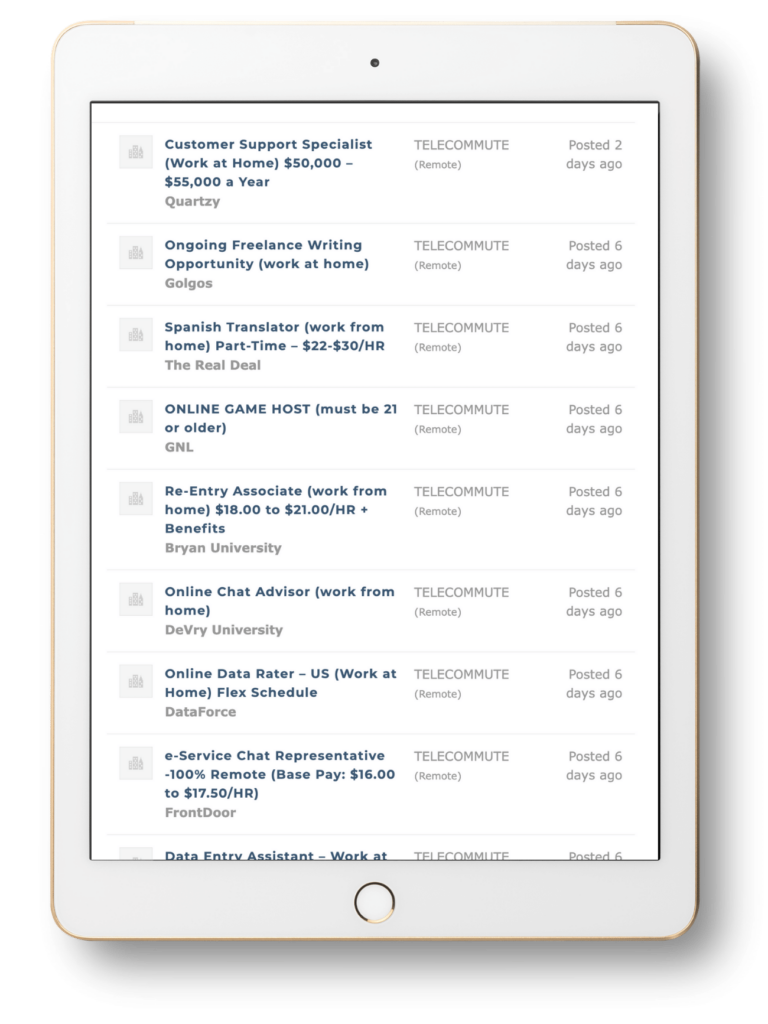
I also see a lot of jobs for ghostwriters. Typically these are for someone that needs articles written on various topics. Seems like the general size is 500 words. Articles seem to pay more. I have a very large list of companies and websites that hire writers full time and part-time. Be sure to look over this list and bookmark it, as I add to it all the time.
But remember – you don’t have to write for anyone else….you could just create your own website or blog and start writing about whatever you want. In time – you’ll build an audience and be able to sell ad space! That’s why a lot of people are starting up their own blog! They are hoping to cash in! Why not you?
But if you’re just wanting to write for someone else… no hassles and get paid… then trust me – that opp is out there.
Be ready to snag one with your resume and cover letter on “ready standby”. Also some writing samples are helpful. A lot of times they will want to see previous work. So have a few things ready. Just look at article directories and blogs that you like… that will give you an idea on where to start.








I will love being part of this family
I’ll like to know what is required of me and get started.
i want to do this job
I’m now more encouraged to write! I like writing anyway. I used to make articles about anything. The ideas just come out. Thank you. I am more determined to use this talent.